Current listings
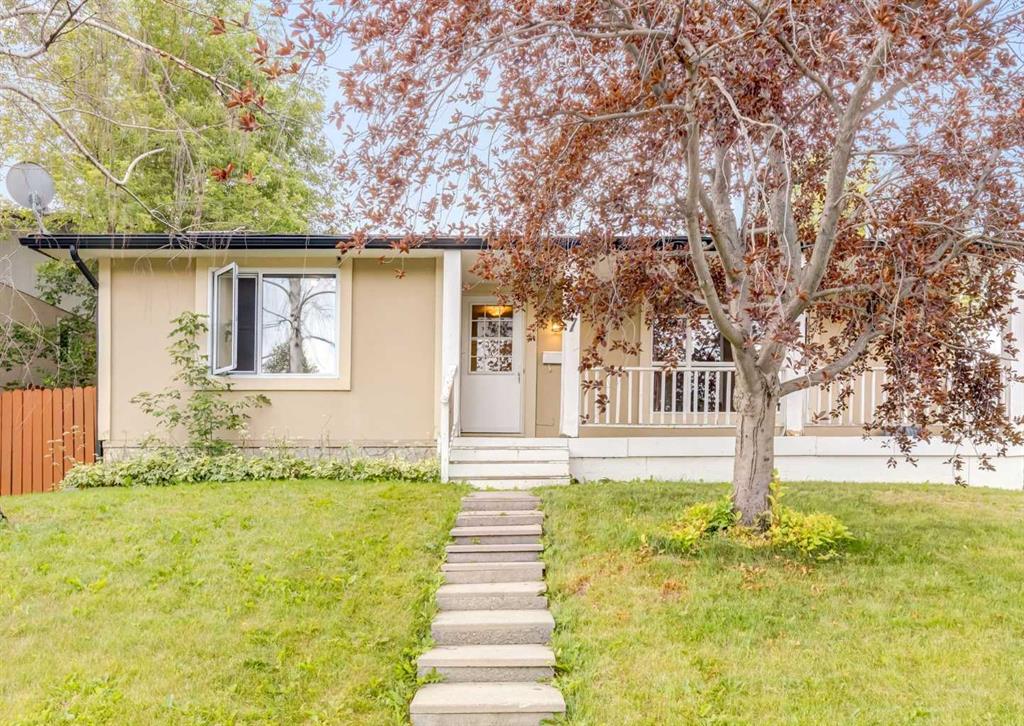 Active
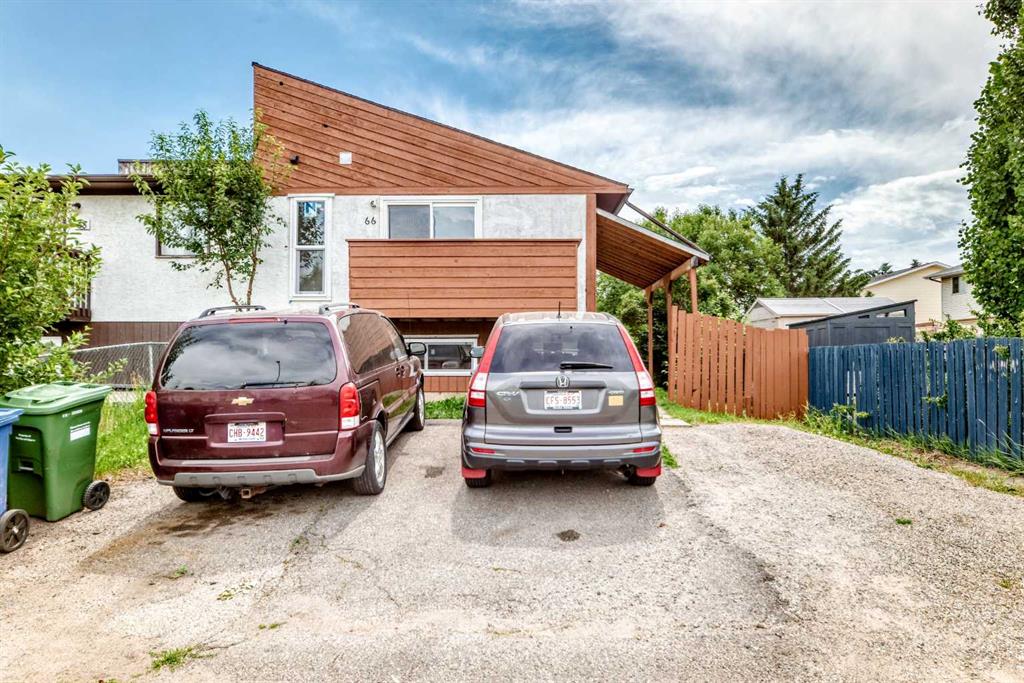 Active
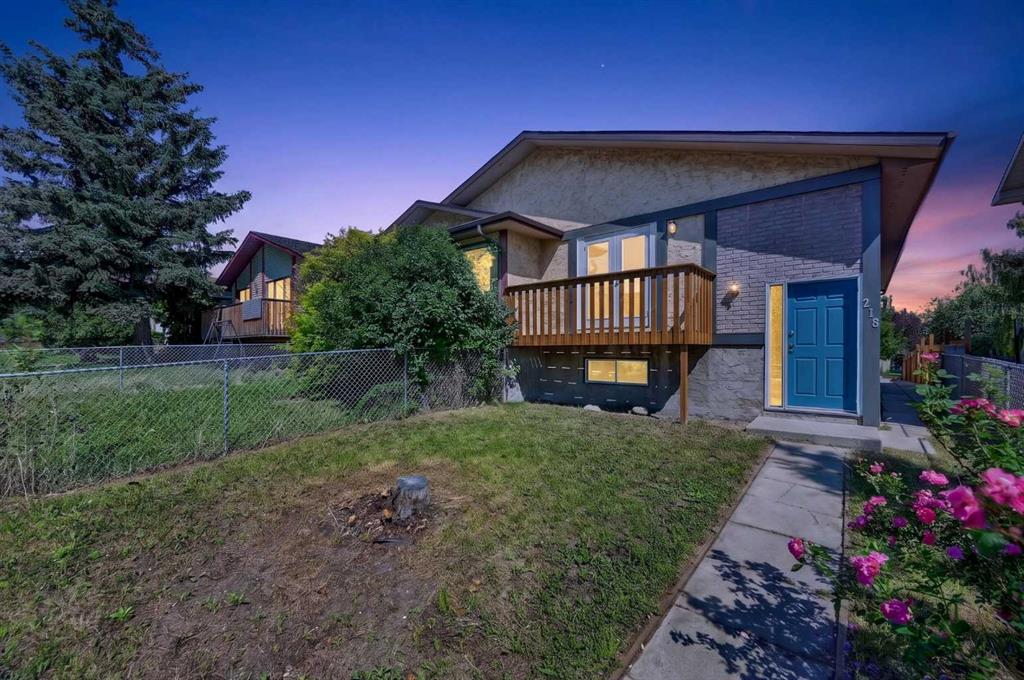 Active
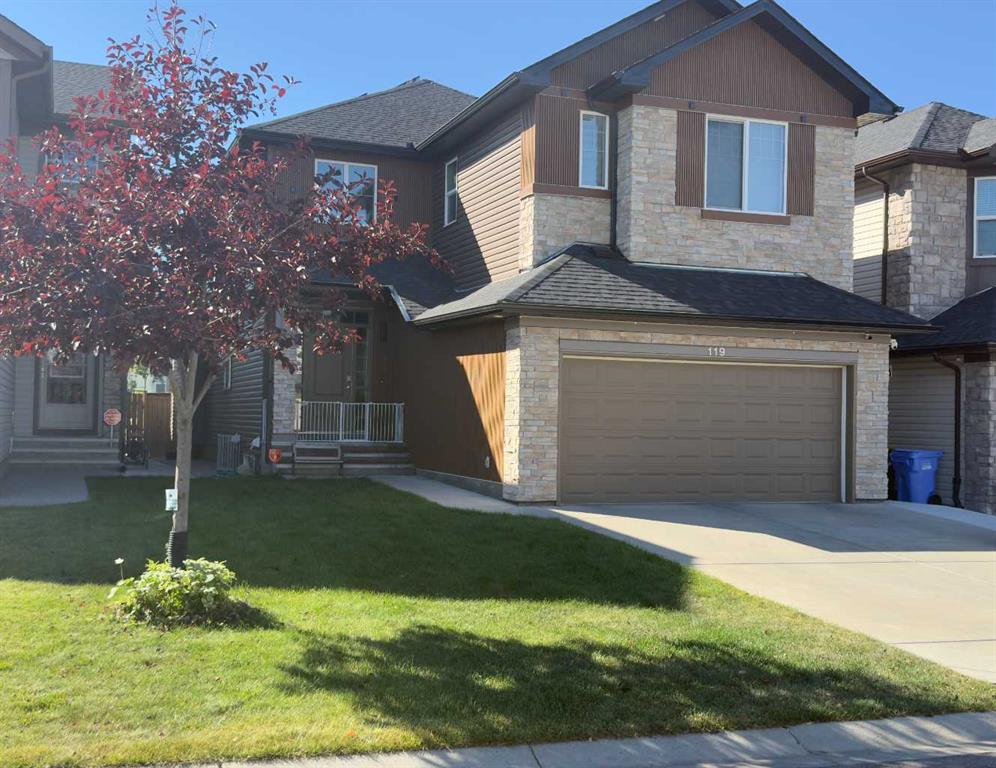 Active
 Active
 Active
 Active
 Active
 Active
 Active
 Active
 Active
 Active
 Active
 Active
 Active
 Active
 Active
 Active
 Active
 Active
 Active
 Active
 Active
Investment properties in Calgary span several categories, including legal secondary suites, up-and-down duplexes, fourplexes, apartment buildings, and mixed-use commercial properties. When evaluating listings, pay close attention to whether basement suites and carriage houses are legally permitted and city-approved — illegal suites can expose owners to fines, insurance complications, and forced closure. Always request documentation and verify suite legality with the City of Calgary before making an offer.
Key financial metrics to assess include the cap rate (net operating income divided by purchase price), gross rental yield, and current vacancy rates in the surrounding neighbourhood. Calgary's rental market varies significantly by quadrant and community — inner-city areas like Beltline, Bridgeland, and Capitol Hill tend to command higher rents and lower vacancy, while suburban communities may offer better cash flow relative to purchase price. Factor in property management costs, maintenance reserves, and mortgage stress test requirements when running your numbers, and consider working with a REALTOR® who specialises in income-producing properties.
Frequently asked
What types of properties qualify as investment or revenue properties in Calgary?
Revenue properties include any residential or commercial property purchased primarily to generate rental income. In Calgary, this commonly includes homes with legal basement suites or carriage houses, duplexes, triplexes, fourplexes, larger multi-family apartment buildings, and mixed-use commercial properties. Single-family homes with a legal suite can be a practical entry point for first-time investors.
How do I know if a basement suite is legal in Calgary?
A legal secondary suite in Calgary must have been permitted and inspected by the City and comply with Alberta Building Code requirements for ceiling height, egress windows, fire separation, and separate entrances, among other criteria. You can verify suite legality through the City of Calgary's Development Map or by requesting copies of development and building permits from the seller. Your REALTOR® can also help confirm this during due diligence.
What is a typical cap rate for investment properties in Calgary?
Cap rates in Calgary generally range from approximately 4% to 6% for residential income properties, depending on the property type, condition, and neighbourhood. Multi-family buildings and properties in high-demand inner-city areas often trade at lower cap rates due to stronger appreciation potential, while suburban or higher-priced properties may offer slightly better cash flow yields. Always calculate cap rate based on actual or conservatively estimated net income, not gross rents.
Do I need a larger down payment to buy an investment property in Calgary?
Yes. In Canada, rental properties that you do not intend to owner-occupy require a minimum down payment of 20%, and mortgage default insurance (CMHC) is not available for pure investment properties. If you plan to live in one unit of a multi-unit property (up to four units), you may qualify for an insured mortgage with as little as 5% down on the first $500,000 of the purchase price. Speak with a mortgage broker familiar with investment property financing to understand your options.
Which Calgary neighbourhoods are considered strong for rental investment?
Inner-city communities such as Beltline, Kensington, Inglewood, Capitol Hill, and Bridgeland consistently attract strong rental demand due to their walkability, proximity to downtown, and amenity access. Communities near post-secondary institutions like the University of Calgary (Varsity, Brentwood, Charleswood) also see reliable tenant demand. Established suburban communities with good transit access and employment proximity — such as Forest Lawn, Marlborough, and parts of the northeast — can offer lower acquisition costs with competitive yields.
What ongoing costs should I budget for as a Calgary landlord?
Beyond your mortgage payment, budget for property taxes, landlord insurance (typically higher than standard home insurance), routine maintenance and repairs, a capital reserve fund for major expenses like roofing or furnaces, and property management fees if you hire a manager (commonly 8–12% of monthly rent in Calgary). You should also factor in potential vacancy periods between tenants. A general rule of thumb is to set aside 10–15% of gross rental income for maintenance and vacancy combined, though this varies by property age and condition.
Are there any zoning restrictions I should be aware of when buying a revenue property in Calgary?
Yes. Calgary's Land Use Bylaw governs what types of suites and rental configurations are permitted in different zones. Most residential areas zoned R-C1 or R-C1s allow secondary suites, but not all zones permit carriage houses, fourplexes, or multi-family use. Calgary's recently updated zoning rules have expanded where secondary suites are allowed, but it's important to confirm the specific land use designation of any property you're considering and whether your intended rental configuration is permitted or would require a rezoning application.