Current listings
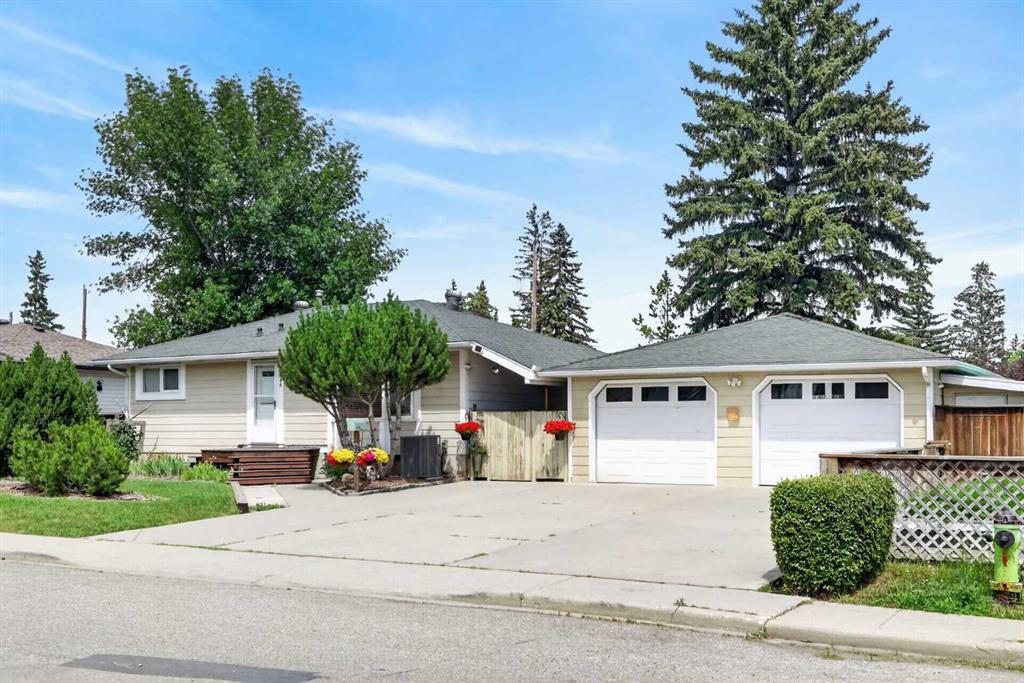 Active
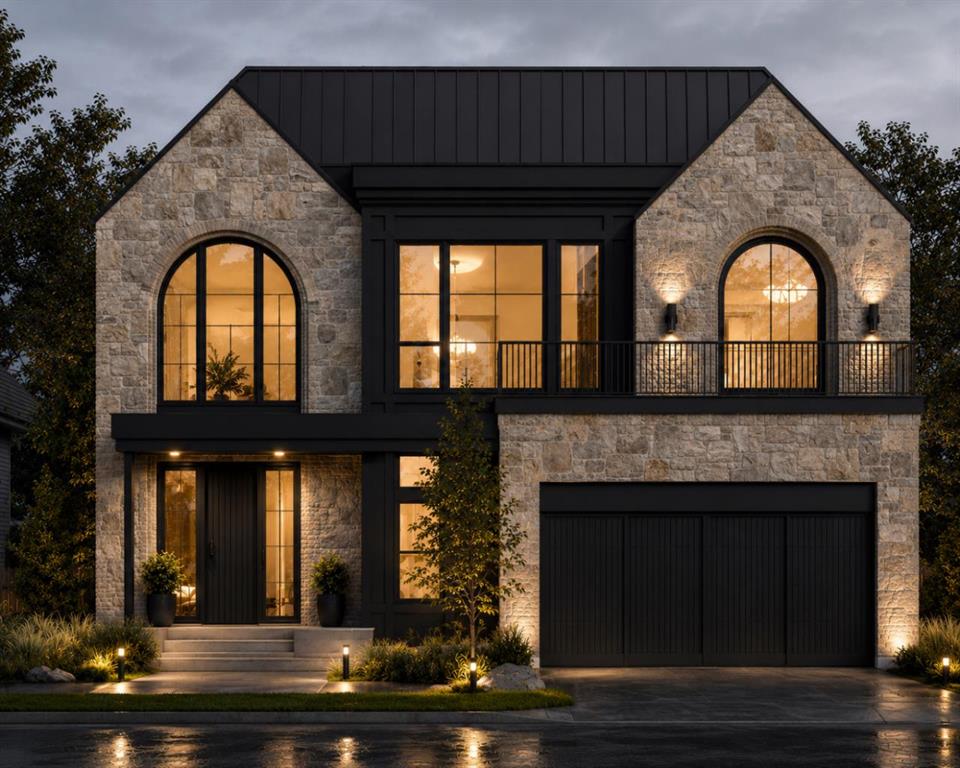 Active
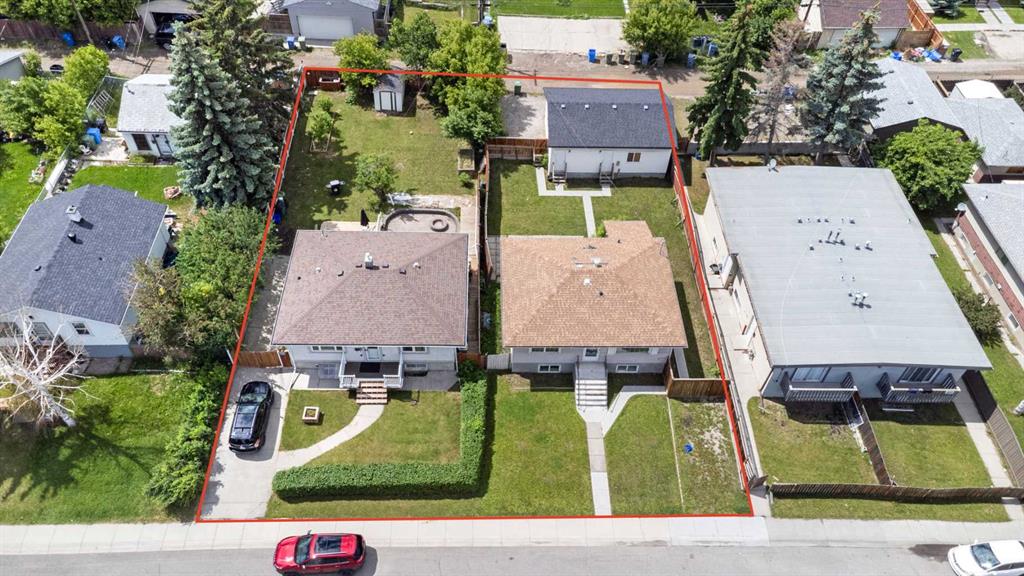 Active
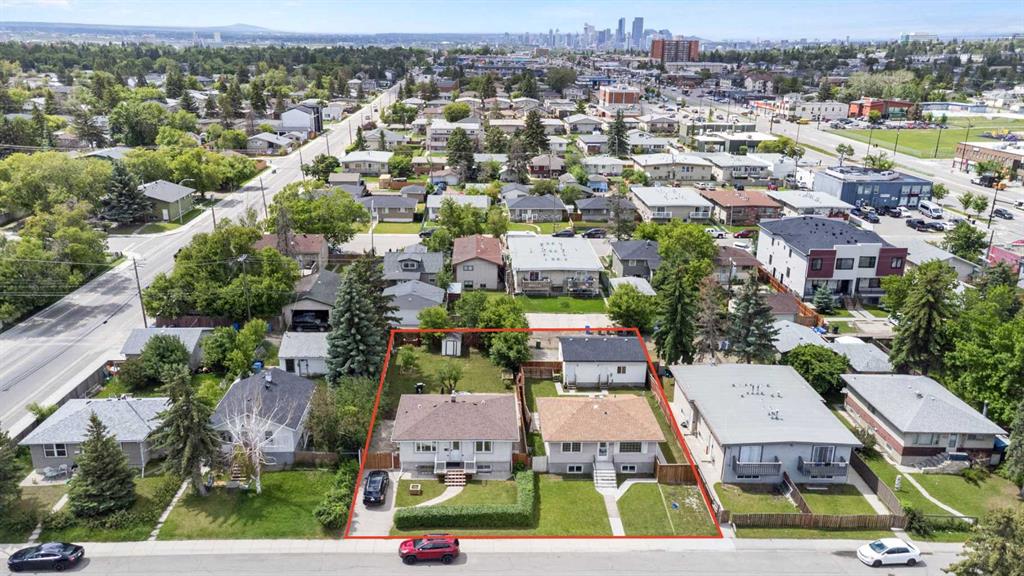 Active
 Active
 Active
 Active
 Active
 Active
 Active
 Active
 Active
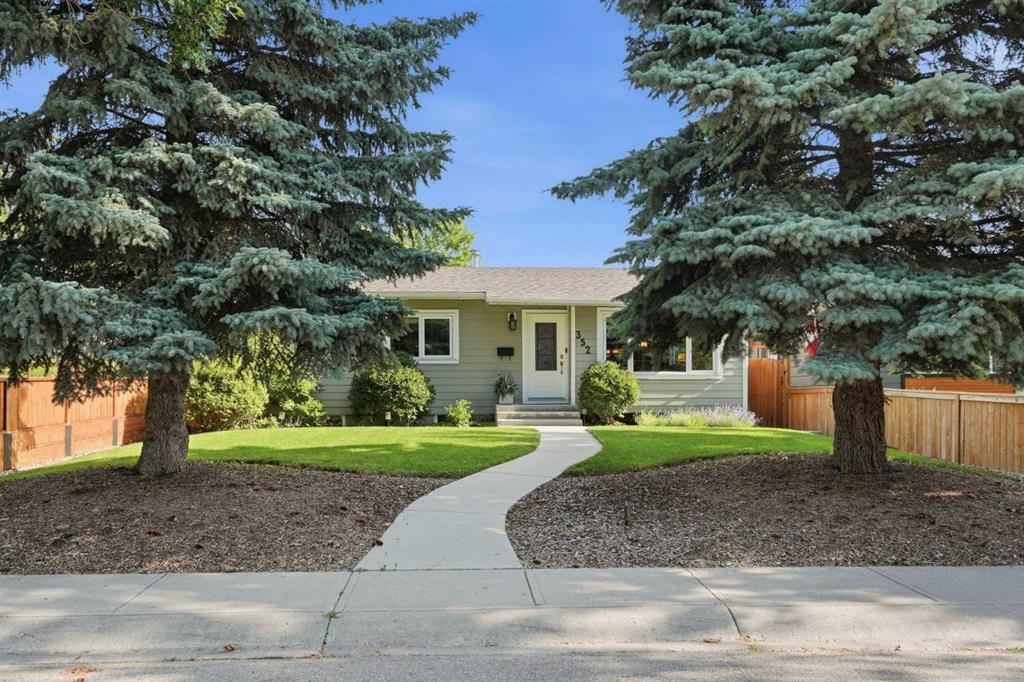 Active
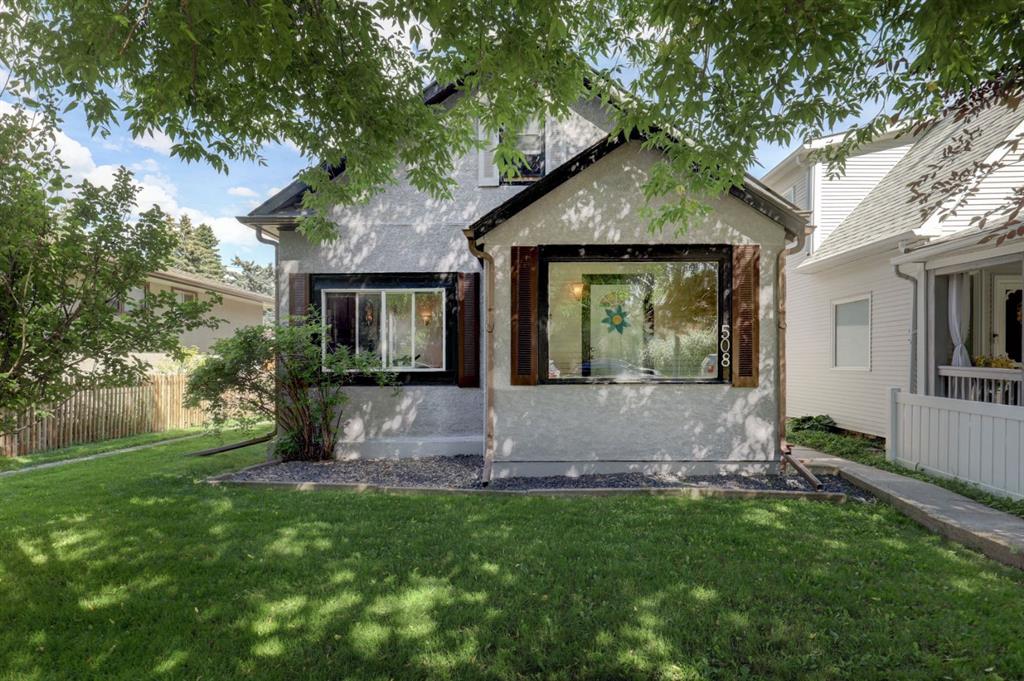 Active
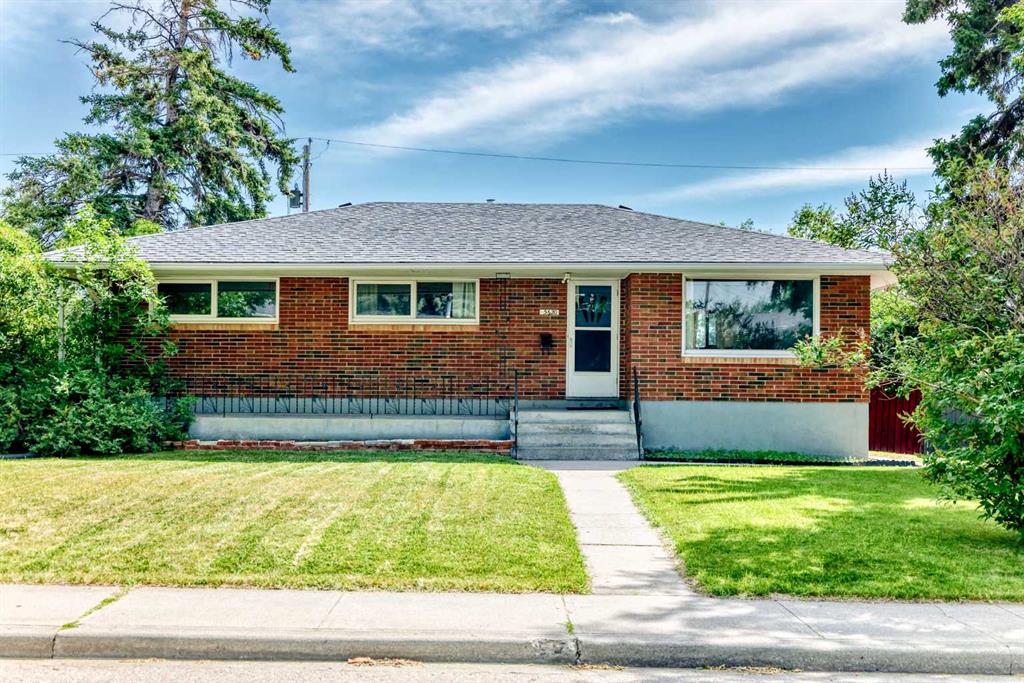 Active
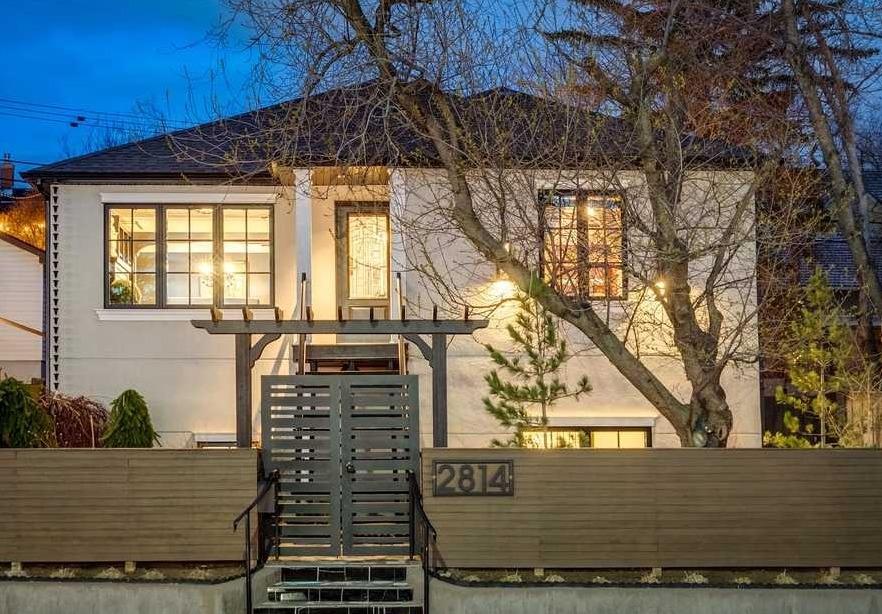 Active
 Active
 Active
 Active
 Active
 Active
 Active
 Active
 Active
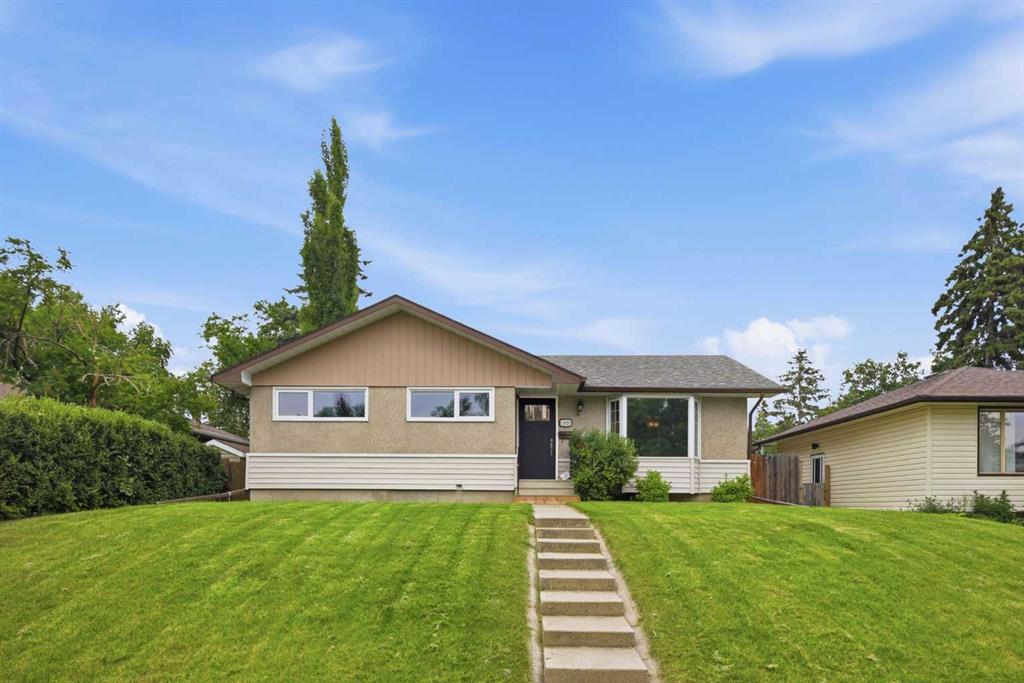
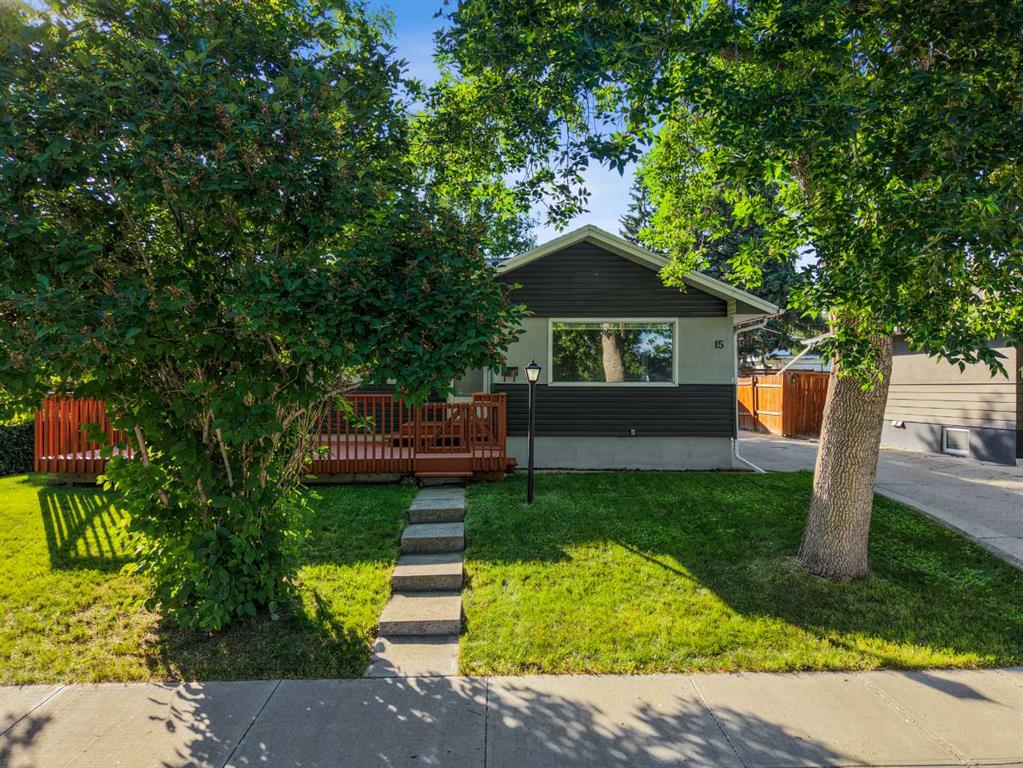
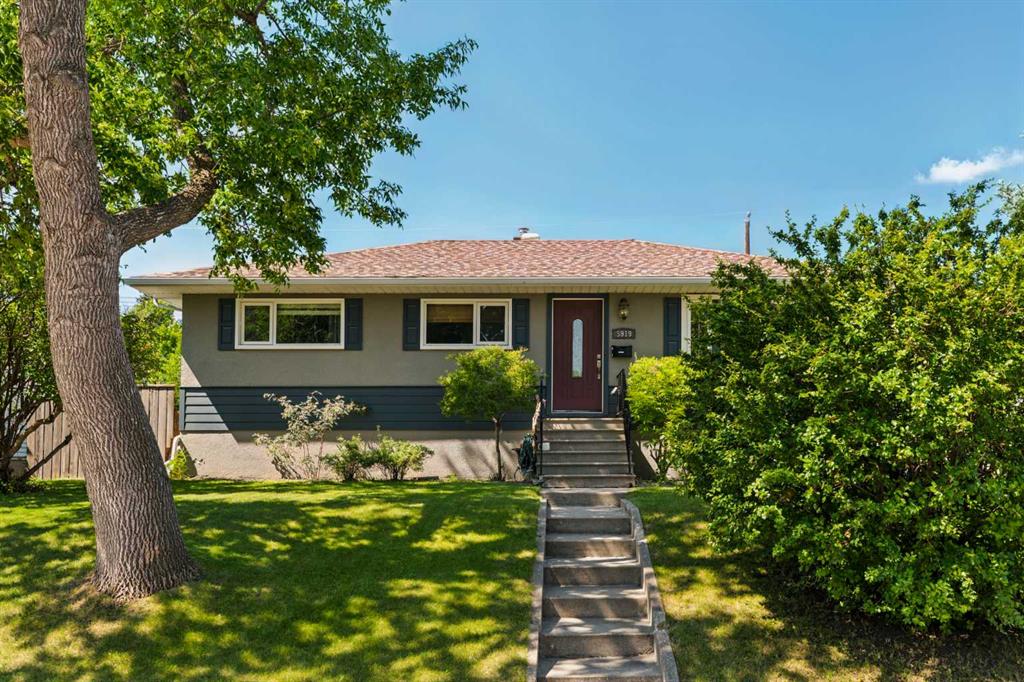
Character homes in Calgary are generally defined as properties that are at least 40–50 years old and retain meaningful original architectural features — think hardwood floors, coved ceilings, leaded glass windows, solid wood millwork, brick or stone exteriors, and distinct rooflines. Many are found in established inner-city communities close to the Bow River pathways, independent shops, and LRT stations. Buyers should be aware that charm often comes alongside older mechanical systems, so budgeting for a thorough home inspection and potential updates to electrical, plumbing, and insulation is a practical part of the process.
When evaluating a character home, pay close attention to the condition of the foundation, the age of the furnace and hot water tank, and whether any additions or renovations were permitted. Some properties have been thoughtfully updated while preserving their original character, while others may be priced to reflect a need for more significant work. It's also worth checking whether the home falls within a Heritage Overlay or Contextual zoning area, as this can affect what changes or additions you're permitted to make down the road.
Frequently asked
What qualifies as a character home in Calgary?
There's no single official definition, but character homes are generally understood to be older properties — typically pre-1980s and often pre-1960s — that retain distinctive original architectural features. The City of Calgary has a heritage inventory and some communities have contextual zoning designed to preserve the look and feel of established streetscapes, but not every character home carries a formal designation.
Are character homes in Calgary more expensive than newer builds?
It depends heavily on the neighbourhood and the condition of the property. Inner-city character homes in sought-after communities like Mount Pleasant, Sunnyside, or Ramsay often command premium prices due to location and lot value. However, character homes in other established areas can be competitively priced, especially if they require updating. The land itself is frequently a significant portion of the value in inner-city locations.
What should I watch out for when buying an older character home?
Key areas to scrutinize include the foundation (especially in homes with basements), the electrical panel (older homes may still have knob-and-tube wiring or fuse boxes), plumbing materials (galvanized or Poly-B pipes can be problematic), and the condition of the roof and windows. Always hire a qualified home inspector with experience in older Calgary properties, and ask your REALTOR® about the permit history of any renovations.
Can I renovate a character home in Calgary freely?
In most cases, yes — but there are exceptions. If the home is listed on the City of Calgary's Inventory of Evaluated Historic Resources or sits within a Heritage Overlay district, certain exterior changes may require additional approvals. Contextual zoning rules in some communities also regulate how additions or infills relate to the surrounding streetscape. Check with the City of Calgary's Planning department before purchasing if you have significant changes in mind.
Which Calgary neighbourhoods have the highest concentration of character homes?
Some of the best areas to search include Inglewood, Ramsay, Kensington, Sunnyside, West Hillhurst, Capitol Hill, Mount Pleasant, Crescent Heights, Hillhurst, and Parkdale. Communities in the inner city and along the original streetcar routes tend to have the densest supply of pre-war and early post-war homes with strong architectural character.
Is financing different for a character or heritage home?
Financing a character home works the same as any other residential purchase for the most part. However, if a property has significant deferred maintenance or unusual construction materials, some lenders or mortgage insurers may require additional assessments. Homes in very poor condition may not qualify for high-ratio (less than 20% down) insured mortgages. Speaking with a mortgage broker familiar with older Calgary properties before you make an offer is a smart step.