Current listings
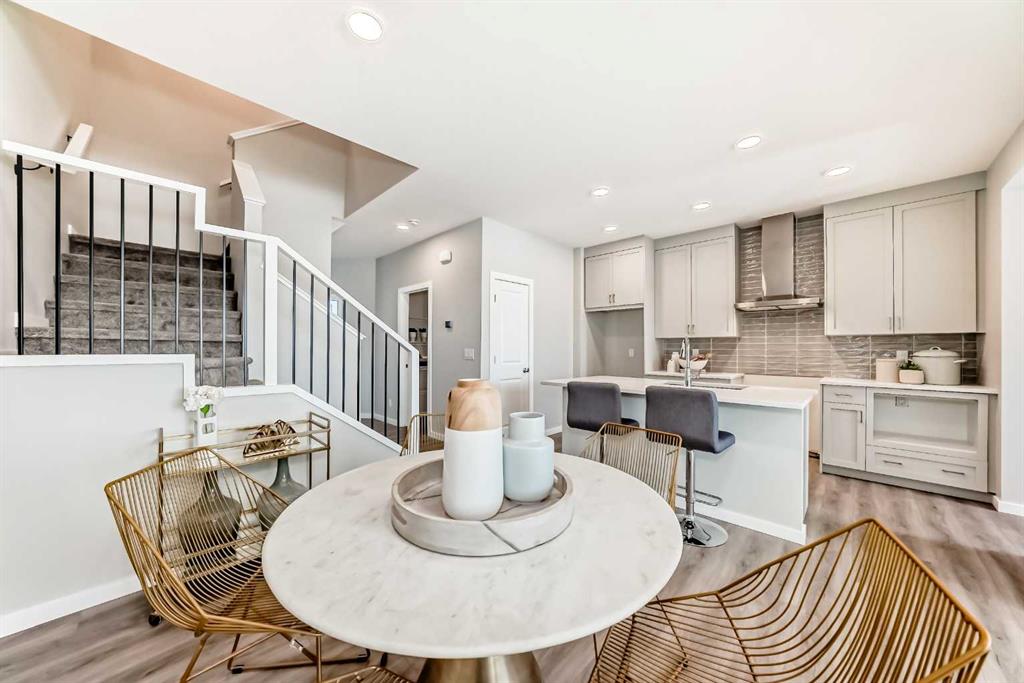 Active
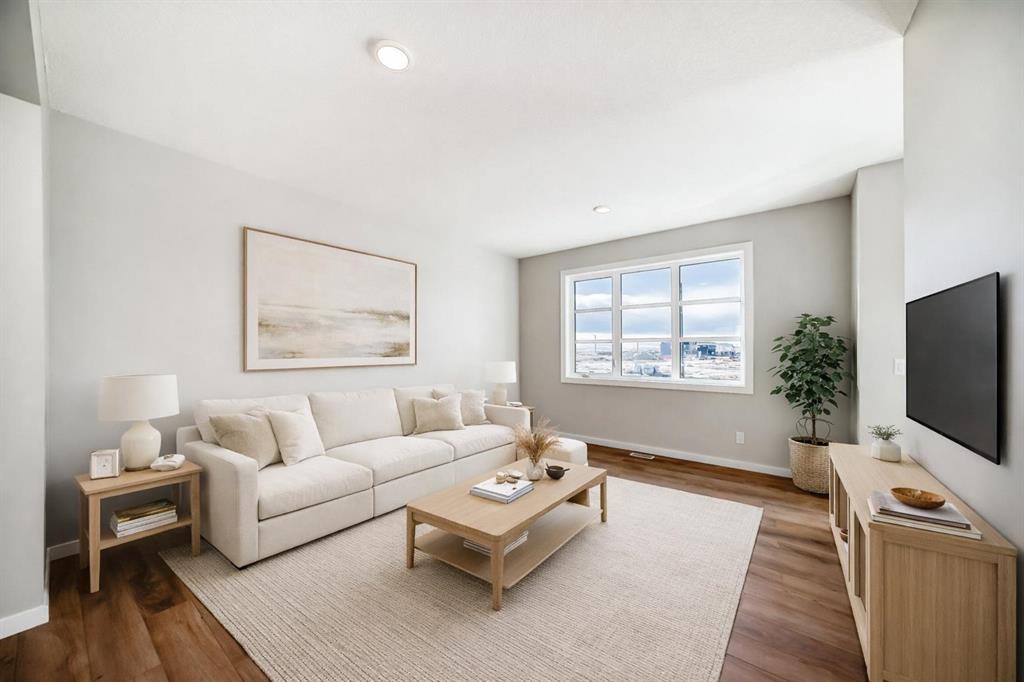 Active
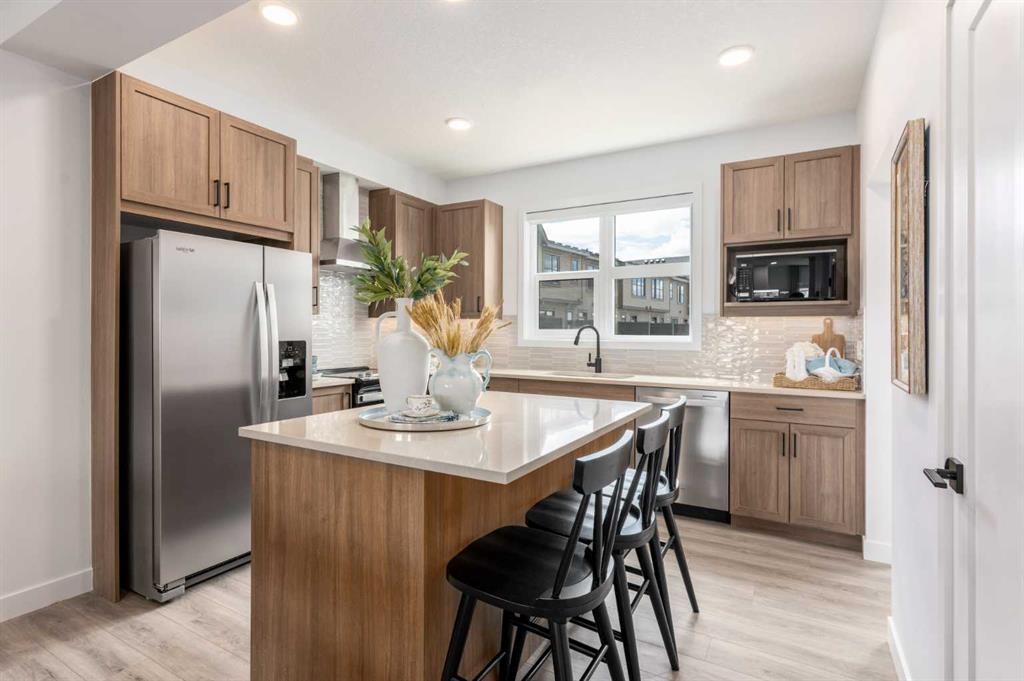 Active
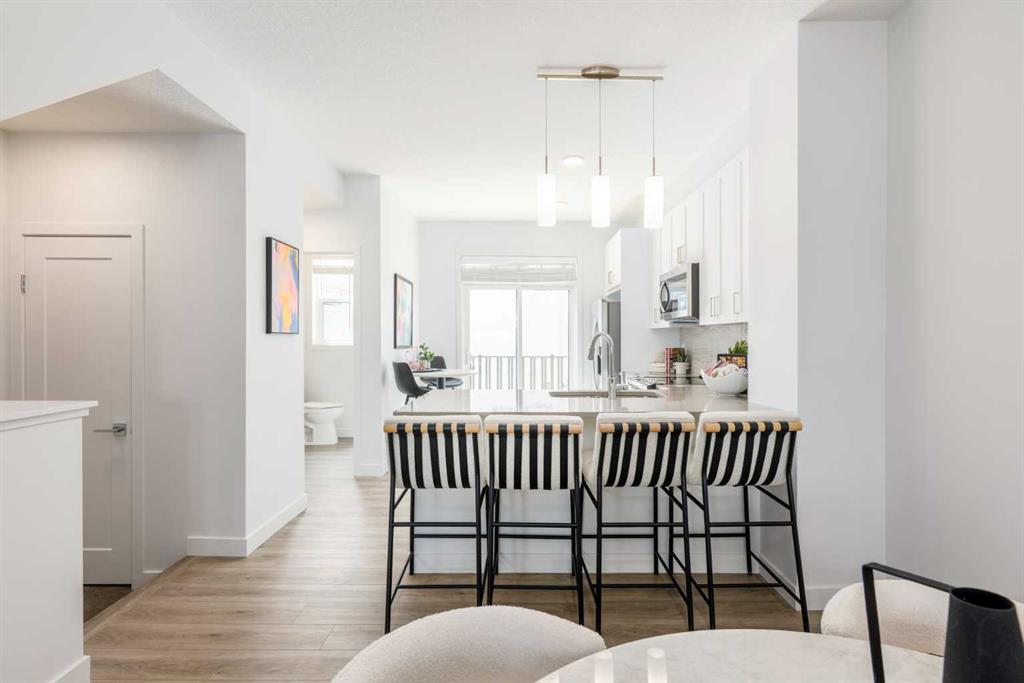 Active
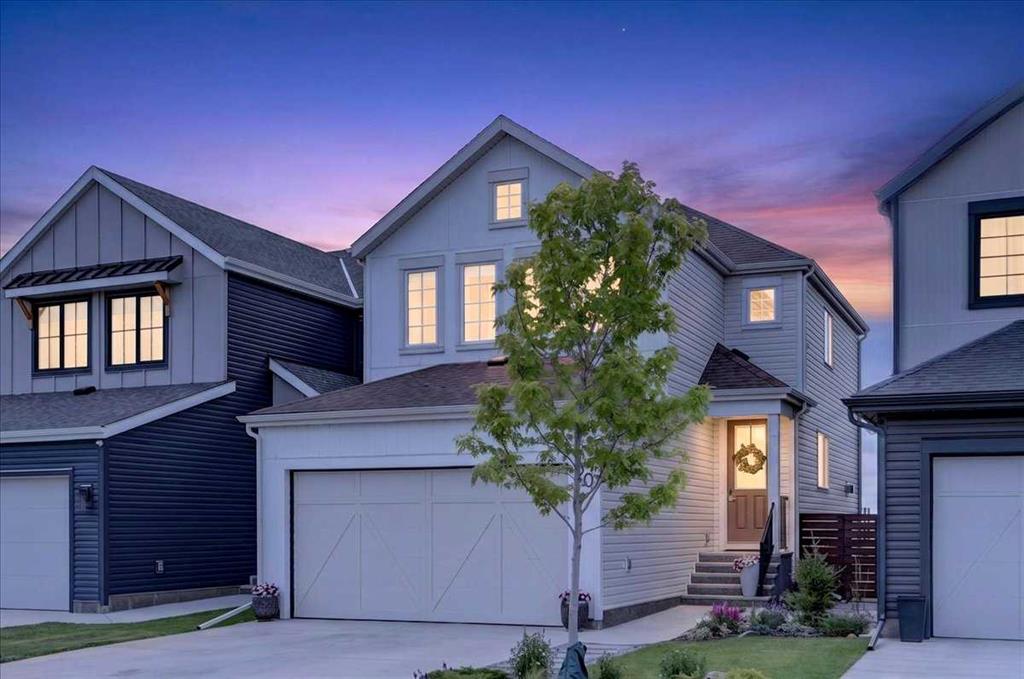 Active
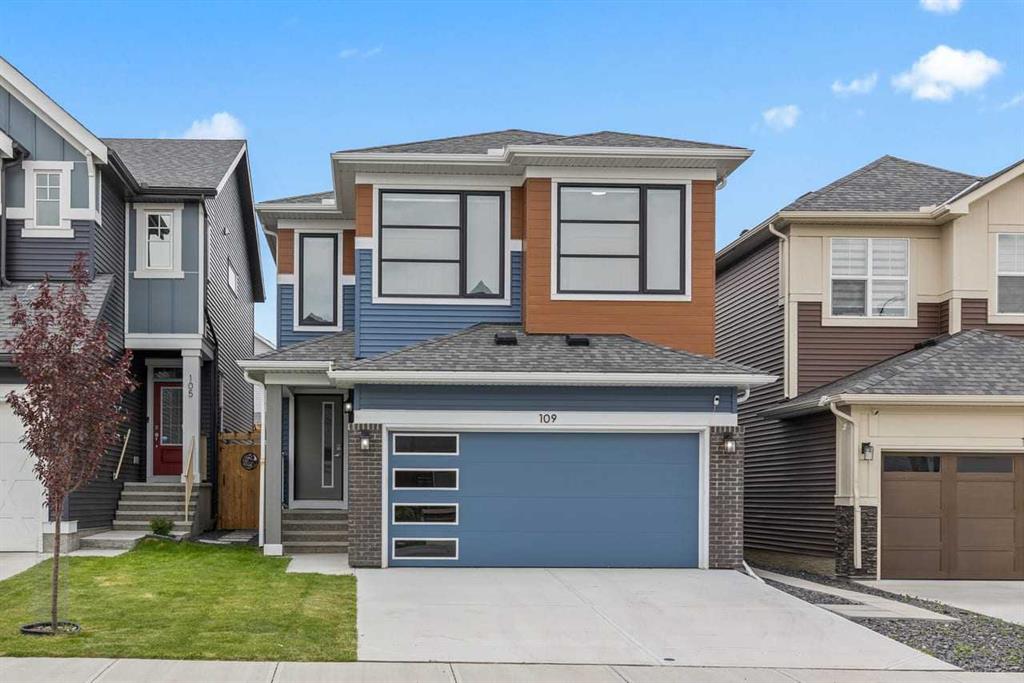 Active
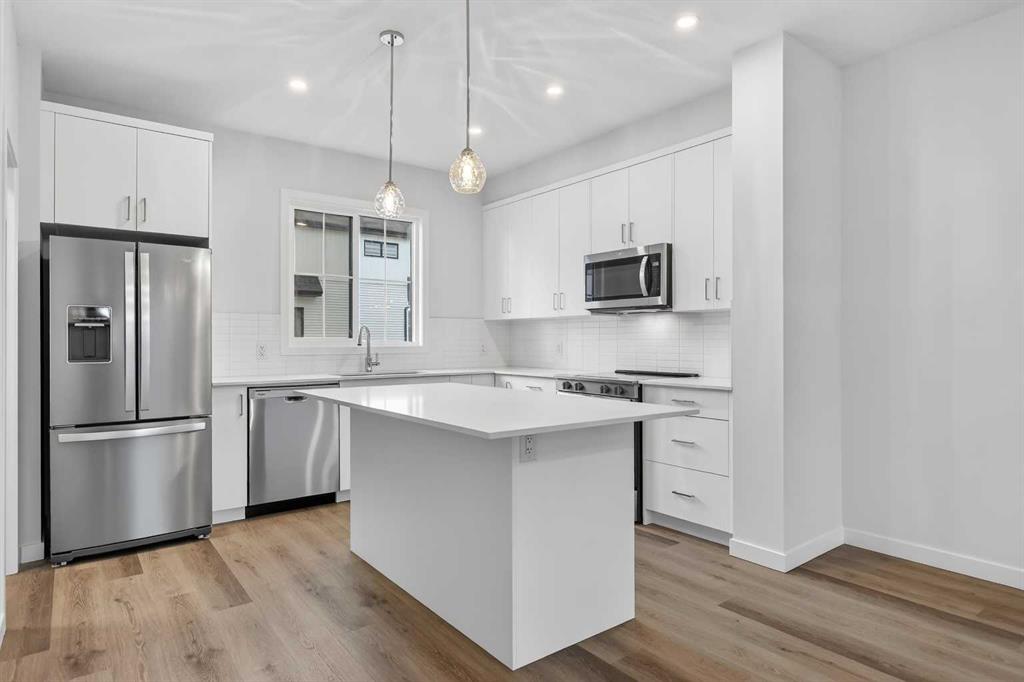 Active
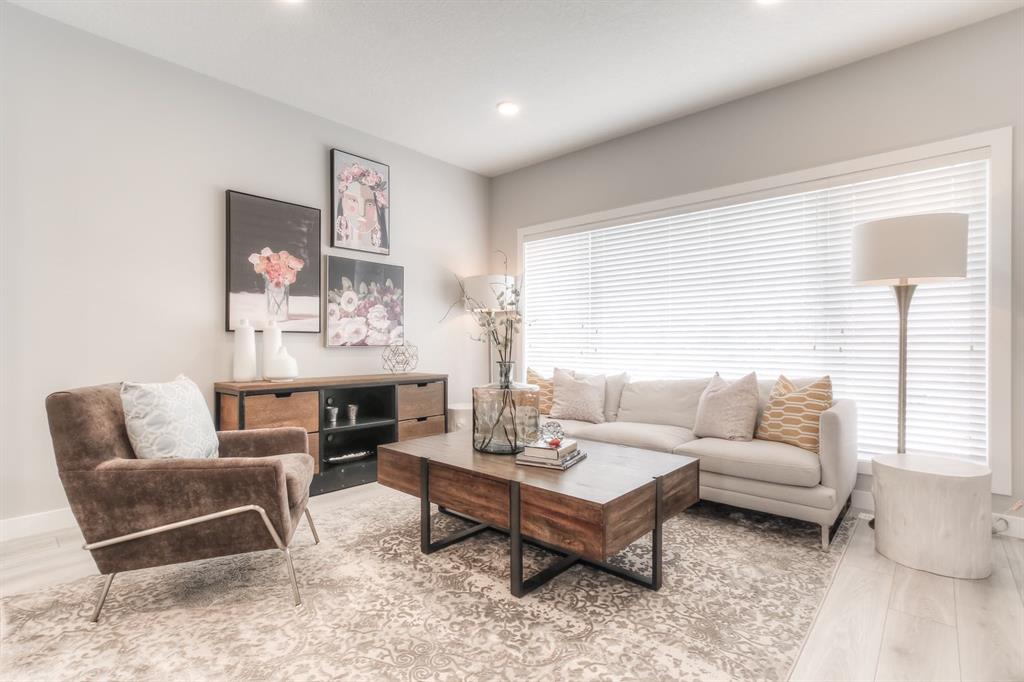 Active
 Active
 Active
 Active
 Active
 Active
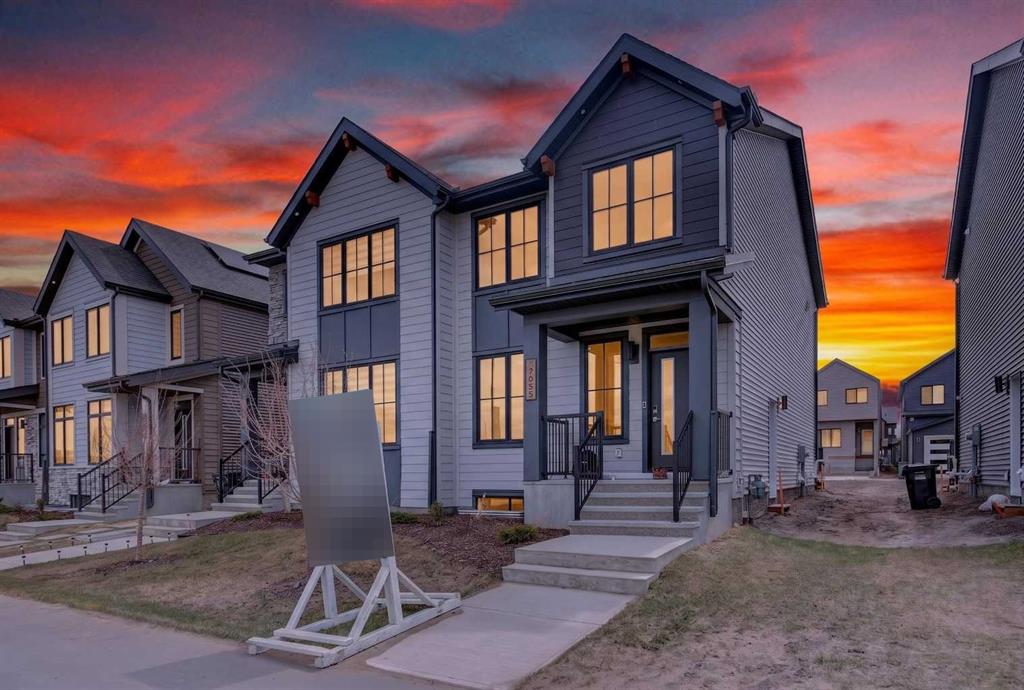 Active
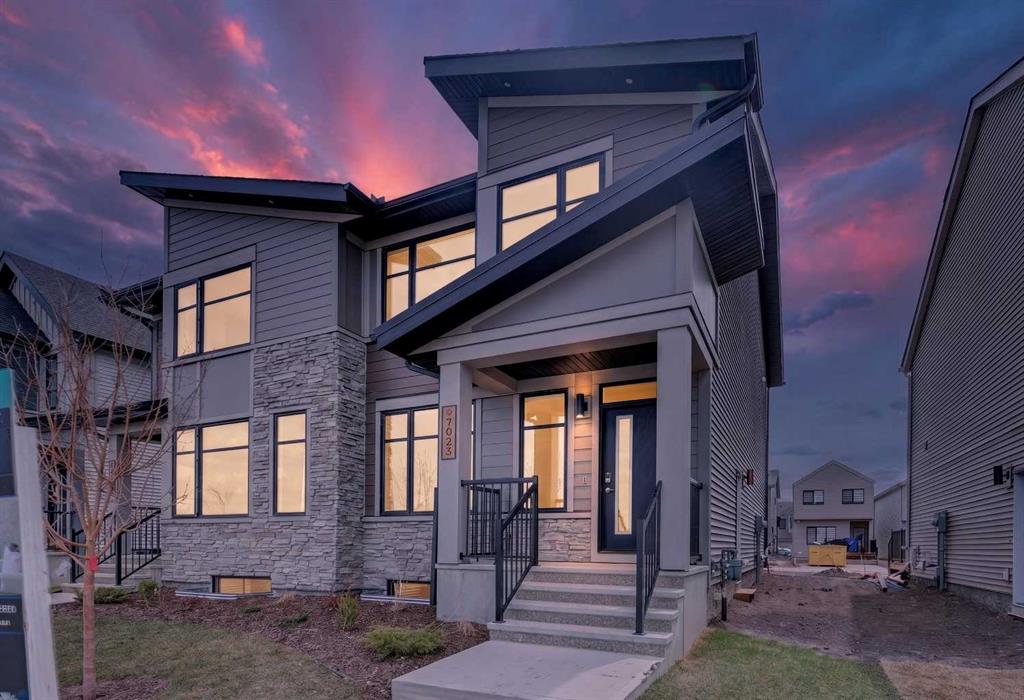 Active
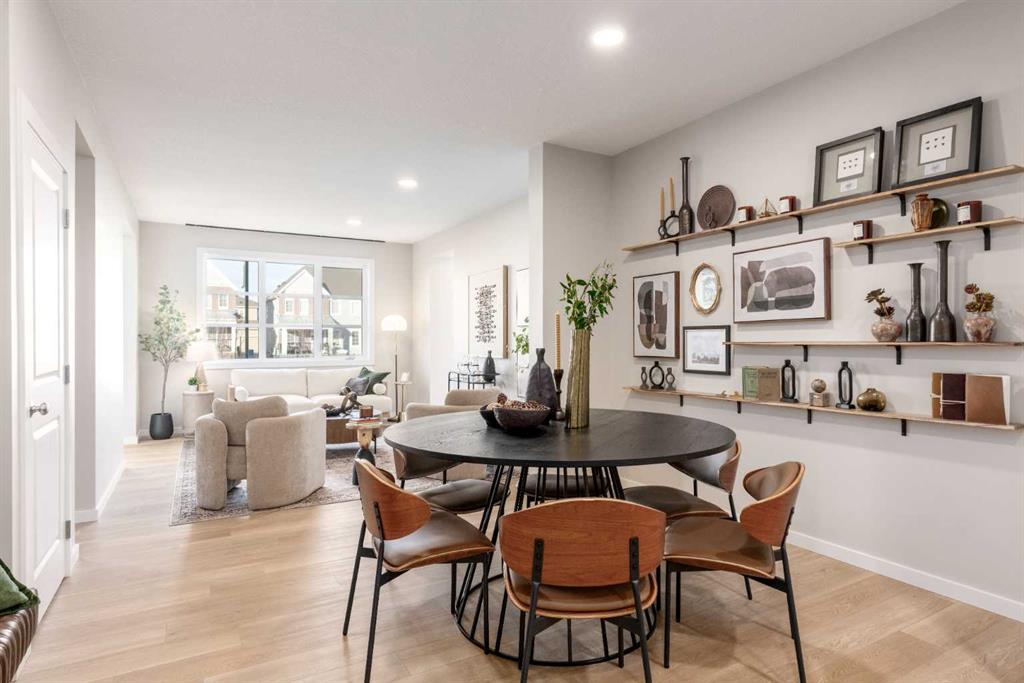 Active
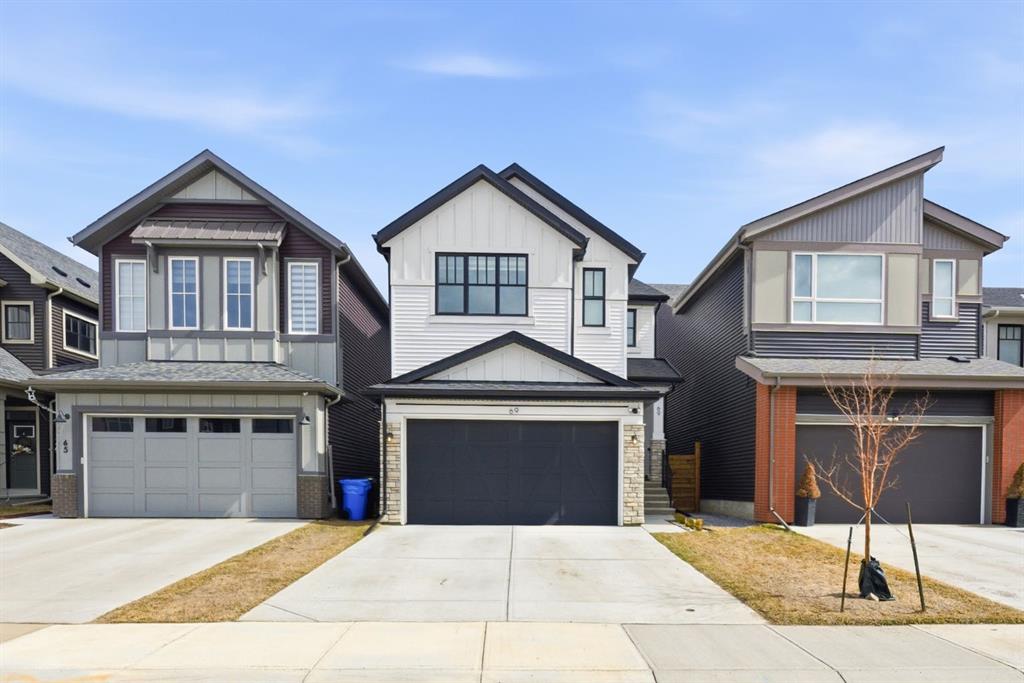 Active
 Active
 Active
 Active
 Active
 Active
 Active
 Active
Rangeview is still in active build-out, which means the community will continue to evolve over the coming years — new phases, additional streetscapes, and future amenities are part of the longer-term plan. Buyers should be aware that living in a developing neighbourhood means construction activity nearby is normal, and not all services or green spaces may be fully complete at the time of possession. That said, buying during build-out can work in a buyer's favour in terms of selection and, in some cases, pricing flexibility depending on market conditions at the time.
When reviewing builder pricing in Rangeview, it's important to understand what the base price typically does and does not include. Most builders price their homes without front or rear landscaping, fencing, window coverings, or finished basements — these are either upgrades or items you'll budget for separately after possession. Appliances are also commonly excluded from base pricing or offered only as a package upgrade. These costs can add anywhere from $20,000 to $60,000 or more depending on your choices, so factoring them in from the start gives you a realistic picture of your total investment. If you're comparing a new build to a resale home, keep in mind that resale homes typically include flooring, window coverings, appliances, and landscaping — the comparison isn't always apples to apples on list price alone.
There are two main ways to purchase a new build in Rangeview: a quick-possession home (sometimes called a spec home) that is already under construction or recently completed and can close in weeks, or a pre-sale where you choose your lot and floor plan before construction begins and wait several months to over a year for your build to complete. Quick-possession homes offer less customization but faster move-in timelines, while pre-sales let you personalize finishes and structural options. On either path, new homes in Alberta come with mandatory new-home warranty coverage — typically 1 year on labour and materials, 2 years on delivery and distribution systems, and 10 years on major structural components. GST also applies to new construction in Canada; buyers may qualify for a partial GST rebate depending on the purchase price, so confirm the details with your lawyer or accountant before closing.
Frequently asked
What does the new-build price range in Rangeview actually get you?
At the lower end of the range (around $438,000–$550,000) you're generally looking at townhouses or row homes and smaller detached plans, often with unfinished basements and standard-grade finishes. Mid-range pricing ($550,000–$750,000) typically covers detached homes with more square footage and upgraded exterior options. Above $750,000 you'll find larger detached homes with premium lots, higher-spec finishes, or builder upgrades included. Keep in mind that base prices rarely include landscaping, fencing, window coverings, or basement development regardless of price point.
Is GST included in the prices listed on MLS®?
Not always — this varies by listing and builder. Some advertised prices include GST, others do not. GST on new residential construction in Canada is 5%, though buyers of homes priced under a certain threshold may qualify for a partial new housing rebate. Always confirm with the builder and your real estate lawyer whether the price you're seeing is GST-inclusive, and get clarity on rebate eligibility before you finalize your budget.
What is new-home warranty coverage in Alberta and is it mandatory?
Yes, new-home warranty is mandatory for builders in Alberta under the New Home Buyer Protection Act. The standard warranty includes 1 year of coverage on labour and materials, 2 years on heating, plumbing, and electrical delivery systems, and 10 years on major structural components. Warranty coverage is tied to the home, so it transfers if you sell before the warranty period expires. Before possession, review your builder's warranty certificate to understand exactly what is and isn't covered.
What is the difference between a quick-possession home and a pre-sale in Rangeview?
A quick-possession (spec) home is one the builder has already started or completed, so it has fixed finishes and can typically close within weeks to a couple of months. A pre-sale means you're purchasing before or early in construction, which lets you select your lot, floor plan, and finish options, but you'll wait several months to a year or more before possession. If you have a firm move-in deadline or want to avoid a lengthy wait, quick-possession homes are worth prioritizing. If customization matters more than timing, a pre-sale gives you more control over the final product.
How is buying a new build different from buying a resale home in Calgary?
The buying process for a new build is notably different from resale. You're typically signing the builder's own contract rather than the standard AREA residential purchase contract, and builder contracts are written to protect the builder — having a real estate lawyer review it before you sign is strongly recommended. Conditions, deposit structures, and possession timelines work differently than resale. There's no home inspection in the traditional sense (though a pre-possession walkthrough and new-home warranty serve a similar role). You'll also need to budget separately for items like landscaping, window coverings, and appliances that are usually already in place when buying resale.